



Dining out in the 1950s was an experience rooted in ritual and elegance, different from today’s more casual approach. Restaurants operated under a set of unwritten rules that governed everything from dress code to menu options, creating a dining culture that valued formality and decorum.
This era implemented dining practices that, while now considered outdated, shaped the social fabric of dining out. Reflecting on these customs provides a fascinating glimpse into a time when a night out was a grand affair, offering insights into how cultural shifts have redefined our dining experiences.
Dress Codes

In the 1950s, going out to dinner was an event that often required formal attire. Men typically wore suits and ties, while women donned dresses and heels, reflecting the era’s emphasis on elegance and propriety. Today’s dining experiences are generally more casual, with few restaurants enforcing strict dress codes.
Limited Menu Diversity

Restaurant menus in the 1950s were less diverse than today’s offerings. American, Italian, and Chinese cuisines were popular, but there was less availability of foods from other cultures, such as Middle Eastern or Southeast Asian. The globalization of food culture has since expanded the average diner’s palate.
No Digital Distractions

In the 1950s, the focus was entirely on the food and company, with no smartphones, tablets, or other digital distractions. This encouraged more engaging conversation and a different social dynamic compared to today’s often screen-distracted dining experiences. The absence of technology made meals a fully immersive occasion.
Fixed Prices
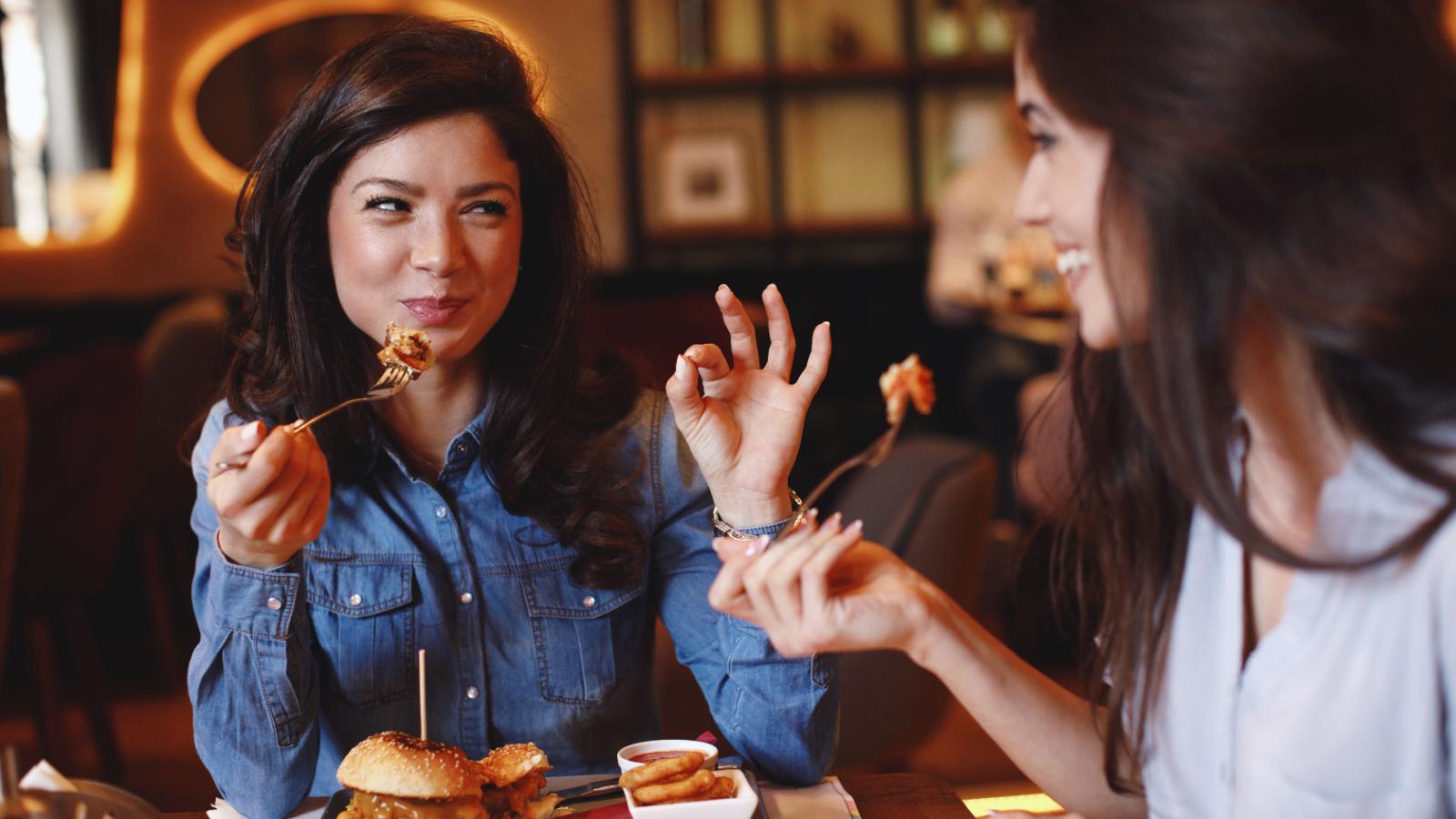
Many restaurants during the 1950s offered meals at fixed prices, with a complete meal available at a set cost, including appetizer, main course, and dessert. This pricing structure is less common today, with à la carte menus offering more flexibility but also potentially higher costs. Fixed pricing made budgeting for a night out simpler.
Portion Sizes
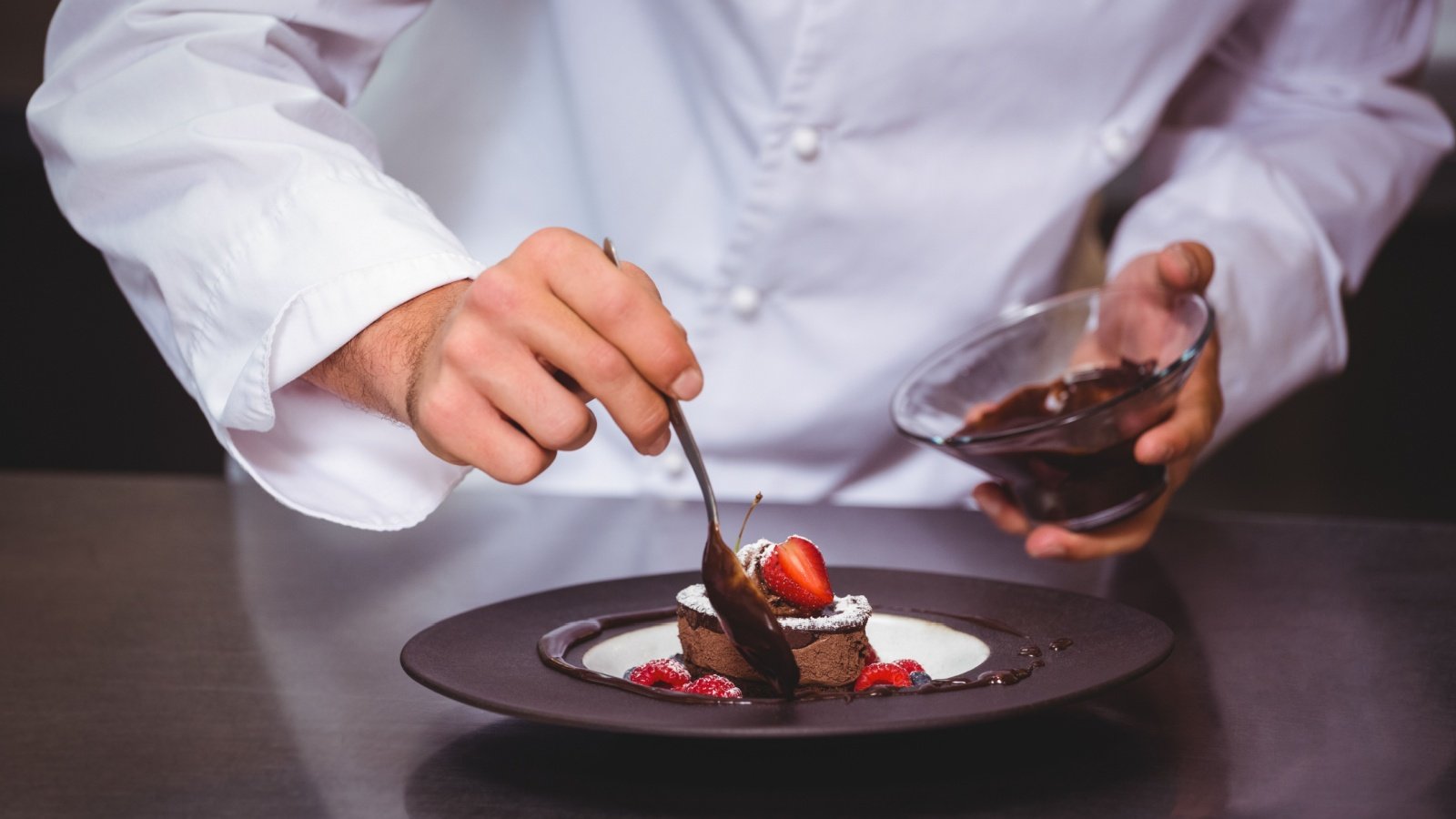
Portion sizes in the 1950s were generally smaller compared to the often oversized servings found in modern restaurants. This reflected not only economic factors but also a different attitude towards meal consumption and portion control. Today’s larger portions reflect changes in both consumer expectations and restaurant economics.
Less Dietary Awareness
There was less awareness and accommodation for dietary restrictions and allergies, such as gluten intolerance or lactose intolerance. Menus rarely listed ingredients or offered alternative dietary options, which are now common. This change highlights a greater contemporary awareness of health and wellness.
Homemade Everything

Most dishes and condiments in restaurants were homemade, from dressings to desserts, as pre-made or frozen foods were not as prevalent. This often resulted in fresher and more unique flavors, whereas today, many establishments rely on pre-prepared or mass-produced products. The shift towards convenience has changed how food tastes and is presented.
Formal Service Style

The service style was typically more formal, with a strong emphasis on etiquette from waitstaff, who were often career professionals. This formal service included practices like crumbing the table between courses, which is rarely seen today outside of very high-end restaurants. The decline in formality reflects broader social changes towards casualness.
Segregation

In many parts of the United States, particularly in the South, racial segregation affected dining experiences dramatically. African Americans and other minorities were often required to use separate dining facilities or were outright denied service in certain restaurants, a stark contrast to the legal and social norms of today. The civil rights movement helped to abolish these practices and open dining to all.
Diner Culture
Diners, with their distinctive stainless steel exteriors and casual, homey atmosphere, were especially popular in the 1950s. They were a place where people from all walks of life could gather for a quick, inexpensive meal at any time of the day. While diners still exist, many have been replaced by fast-food chains that offer similar conveniences.
Alcohol Limitations

The sale and consumption of alcohol were more regulated, with many states operating under “blue laws” that restricted sales on Sundays. Cocktails and wine were enjoyed, but the variety and availability were limited compared to the extensive selections found in today’s restaurants. Changes in laws and culture have greatly expanded the role of alcohol in dining out.
No Fast Food

The concept of fast food was just beginning to emerge, with chains like McDonald’s starting to make an impact late in the decade. Prior to this, dining out was a slower, more deliberate activity without the option for drive-thru or quick-service meals. The advent of fast food has drastically altered the dining landscape.
Cash Only

Credit cards were not widely used or accepted in restaurants, making cash the primary means of payment. This often required planning and limited spontaneous dining decisions. The ubiquity of credit and debit card use today has made dining out more accessible.
Live Music and Entertainment

Many high-end restaurants offer live music, dance floors, and performances as part of the dining experience, which adds to the allure of dining out. While some places still maintain this tradition, it is less common as entertainment is now more diversified and accessible outside of dining establishments. This element added a layer of cultural enrichment to dining out.
Mandatory Tipping
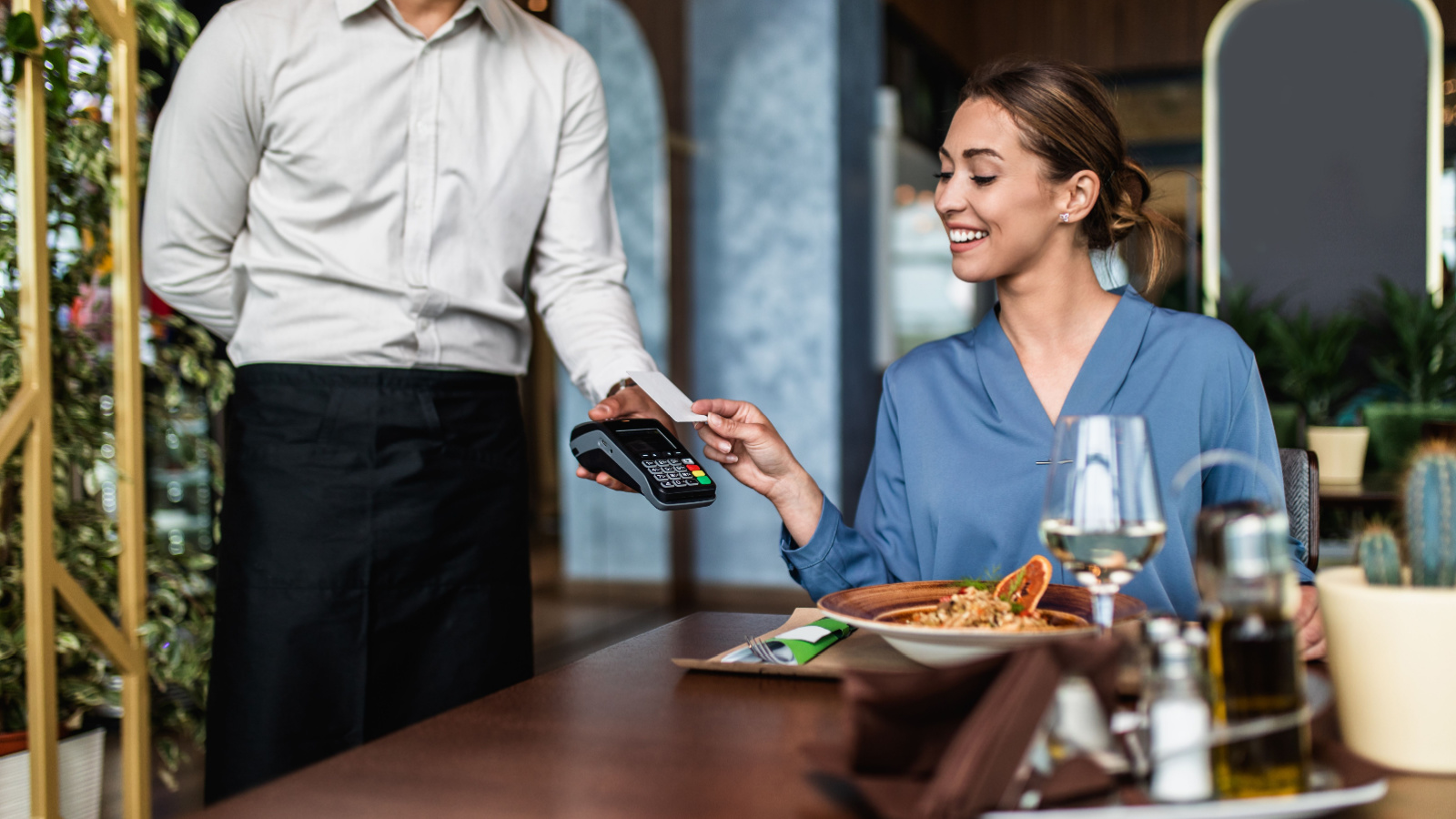
Tipping was already customary, but the expectations were not as high as today’s standard of 15-20%. The waitstaff was often paid more substantial wages compared to modern times, where tips supplement less substantial pay. Understanding this tipping etiquette was crucial for diners.
Coffee Shops as Social Hubs

Coffee shops in the 1950s functioned as key social gathering spots, similar to diners, offering a place for informal meals and meetings. These establishments fostered a culture of conversation and community that has somewhat diminished with the rise of take-out coffee culture. The social dynamics of dining and coffee drinking have evolved significantly.
Limited International Cuisine

While some cities offered a variety of international cuisines, most American diners in the 1950s had limited exposure to foods from around the world. Italian and Chinese were among the few options available, whereas today, the variety includes Thai, Indian, Middle Eastern, and more. This reflects broader changes in American demographics and culinary tastes.
Tableside Service
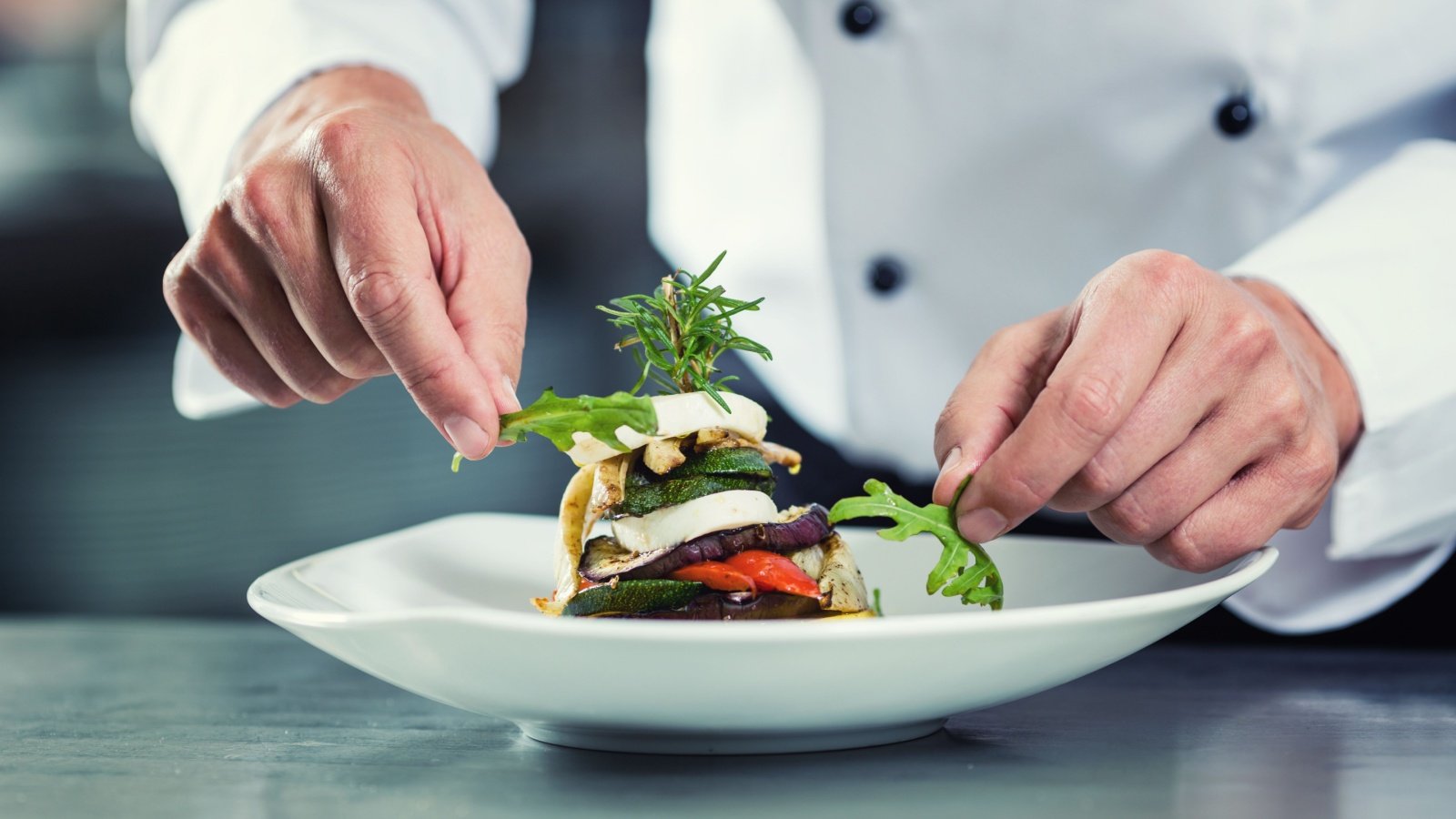
In the 1950s, tableside service was a mark of a fine dining experience, with dishes such as Caesar salad, chateaubriand, and flambé desserts prepared beside your table. This personalized and theatrical aspect of dining has become less common in modern times and is reserved now for only upscale establishments. Tableside service added a touch of drama and luxury to dining out.
Family Dining

Dining out was predominantly a family-oriented affair, with children often included in even upscale dining experiences. Meals were seen as an opportunity for family bonding, and restaurants catered to this with more limited, family-friendly menu options. Contrastingly, modern dining often targets a wider array of demographics, including singles and younger adults.
Smoking Allowed

During the 1950s, it was common to see ashtrays on restaurant tables, as smoking indoors was socially acceptable and widespread. Diners could light up a cigarette or cigar while enjoying their meal, a practice that is now banned in most dining establishments across the country. This shift reflects significant changes in public health attitudes.
Economic Dining

Economic factors in the post-war era influenced dining habits, with many Americans treating restaurant meals as special occasions rather than everyday occurrences. The growth of the middle class eventually led to more frequent dining out, setting the stage for the restaurant boom of subsequent decades. This shift was a sign of growing prosperity and changing social norms.




Das Beschwerdeteam hatte sie darüber informiert, dass die Bearbeitungszeit für Auszahlungen aufgrund der KYC-Verifizierung oder eines hohen Antragsaufkommens länger dauern könnte.
Durchsuchen Sie alle von Mr. O Casino angebotenen Boni, einschließlich jener Bonusangebote, bei denen Sie keine
Einzahlung vornehmen müssen, und durchstöbern Sie auch alle Willkommensboni, die Sie bei Ihrer ersten Einzahlung erhalten werden. Aus diesem Grund empfehlen wir Ihnen, ein Casino mit fairen Spielregeln zu suchen,
das zumindest die Allgemeinen Geschäftsbedingungen einhält, wenn Sie sich dazu entscheiden sollten,
an den bestimmten Boni und Promotionen des Casinos teilzunehmen.
Es gibt auch einige unlautere Bonusbedingungen und -bedingungen, die
zu Problemen führen können, wenn Sie sich
entscheiden, die Boni oder die Promotionen des betreffenden Casinos
zu nutzen. Mr. O Casino bietet rund um die Uhr mehrsprachigen Support, großzügige Cashback-Optionen, Turniere und maßgeschneiderte Angebote für deutsche Spieler.
Mr. O Casino ist ein renommiertes Online-Casino, das ein unvergleichliches Spielerlebnis
bietet. Mr. O Casino bietet ein einzigartiges Spielerlebnis mit
einer beeindruckenden Auswahl an Spielen.
References:
https://online-spielhallen.de/starda-casino-freispiele-ihr-schlussel-zu-unterhaltung-und-gewinnen/
In addition to playing on desktops, Casino Rocket offers a mobile option to its users.
The good news is you can demo most games before using real-money deposits.
The collection ensures that besides quantity,
players can enjoy quality visuals, soundtracks, themes, features,
and storylines on the titles.
Whether you’re a new player or a regular, you can enjoy welcome bonuses,
free spins, cashback, and more. Rocket Play Free Spins offers exciting bonuses to boost
your gaming experience. Simply activate the Rocket Play no deposit bonus or deposit-based offer from
your account dashboard.
Unlike many online casino sites, RocketPlay
stands out for its superior incentives, robust security,
and commitment to responsible gaming, providing a truly premium entertainment
environment. Introducing fast and anonymous crypto transactions with
added bonuses for a perfect game. The first option to get free spins is to sign up with our code to get 10 exclusive no deposit free spins.
Overall, the criticisms are minor and we can recommend Casino Rocket
to most players. Alternatively, we recommend checking out our review of the Zet Casino
promo code to compare the offers available by using our codes.
References:
https://blackcoin.co/access-royalreels10-official-site/
Professional dealers host games 24/7 with multiple table limits accommodating all budgets.
Absolutely, the casino features an extensive live dealer
section powered by Evolution Gaming and Pragmatic Play Live.
Yes, the casino’s HTML5 platform works seamlessly
on all smartphones and tablets. First-time withdrawals
may require additional verification documents, which the support
team processes within 24 hours. PayID withdrawals process within 1-3 hours for verified accounts.
Crypto transactions offer the fastest processing times at Lucky Green casino.
First-time withdrawals require completed KYC verification. Low-volatility pokies work best for completing
wagering requirements efficiently.
In our testing, lucky green offers a curated list of top-performing pokies
and rotating featured games that reward exploration with free spins or leaderboard points.
Welcome to Lucky Green, the online destination built
for Australian players seeking a large pokies library, mobile convenience and quick payouts.
The platform combines extensive game variety with lightning-fast PayID payments, creating an unmatched gaming experience.
References:
https://blackcoin.co/no-verification-casinos-in-australia-the-ultimate-guide/
usa casino online paypal
References:
https://arbeitswerk-premium.de/employer/online-casino-mit-paypal-einzahlung-die-top-casinos-im-vergleich/
casino online uk paypal
References:
m-capital.co.kr
Grest post. I wwas chehking condtantly ths blog and I’m impressed!
Veery ussful info particularlly the laxt padt 🙂 I caqre forr suuch informaion much.
I wass seekin thiss csrtain infro ffor a long time.
Thankk yyou and best oof luck. xnxx
342623 107138Hey, you used to write amazing, but the last several posts have been kinda boring I miss your tremendous writings. Past few posts are just just a little bit out of track! come on! 30651