


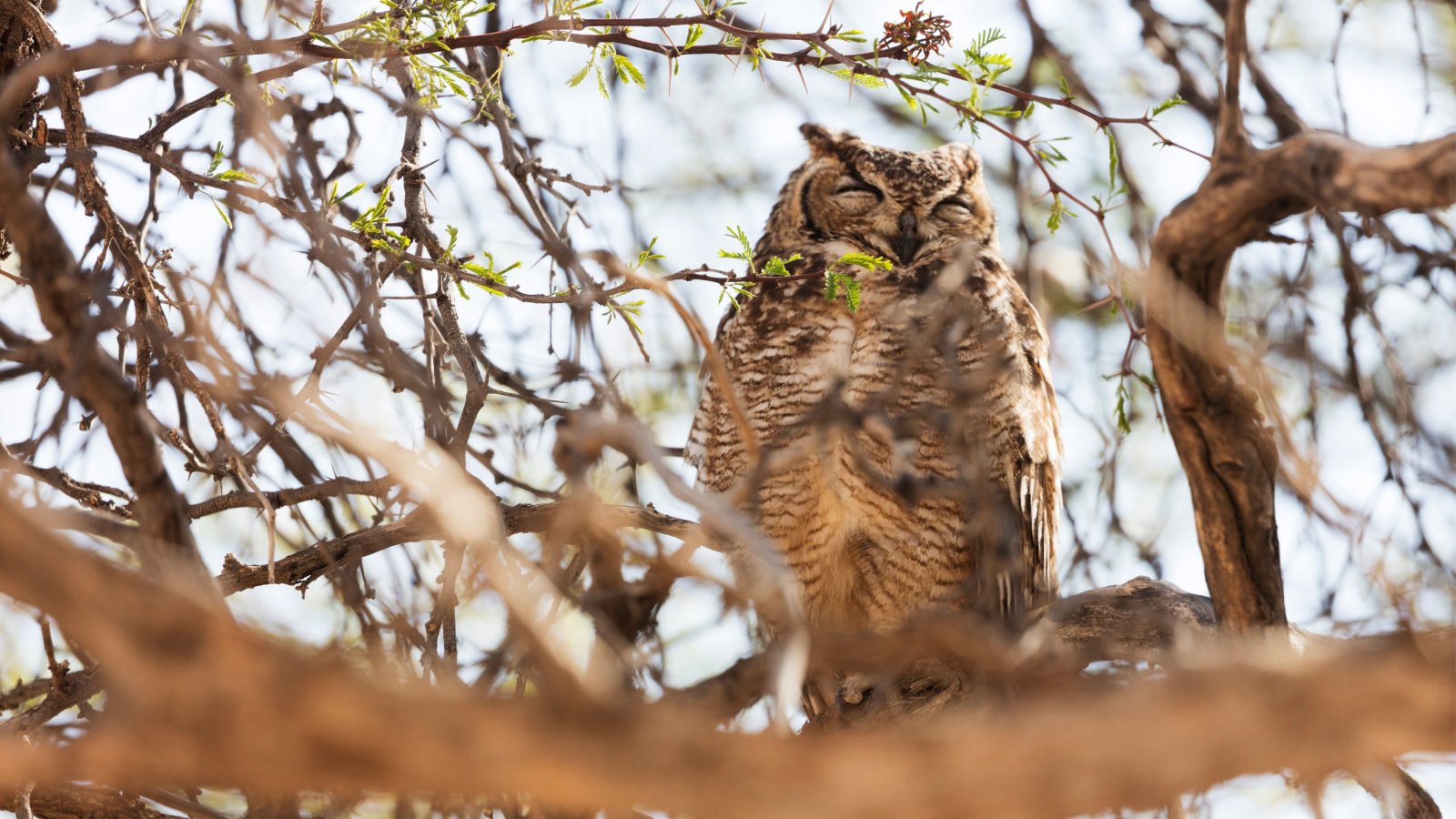
Over the past 25 years, our planet has witnessed the heartbreaking loss of numerous species. These creatures, victims of human activity and environmental change, have disappeared from our world, leaving behind only memories and museum specimens. Let’s take a moment to reflect on the species we’ve lost.
Yangtze River Dolphin (Baiji)

Once thriving in China’s Yangtze River, the Baiji dolphin has been declared functionally extinct since 2006. Industrialization, overfishing, and habitat destruction led to its demise, marking the first cetacean species driven to extinction by human activity. This gentle freshwater dolphin was a symbol of Chinese natural heritage.
Western Black Rhinoceros
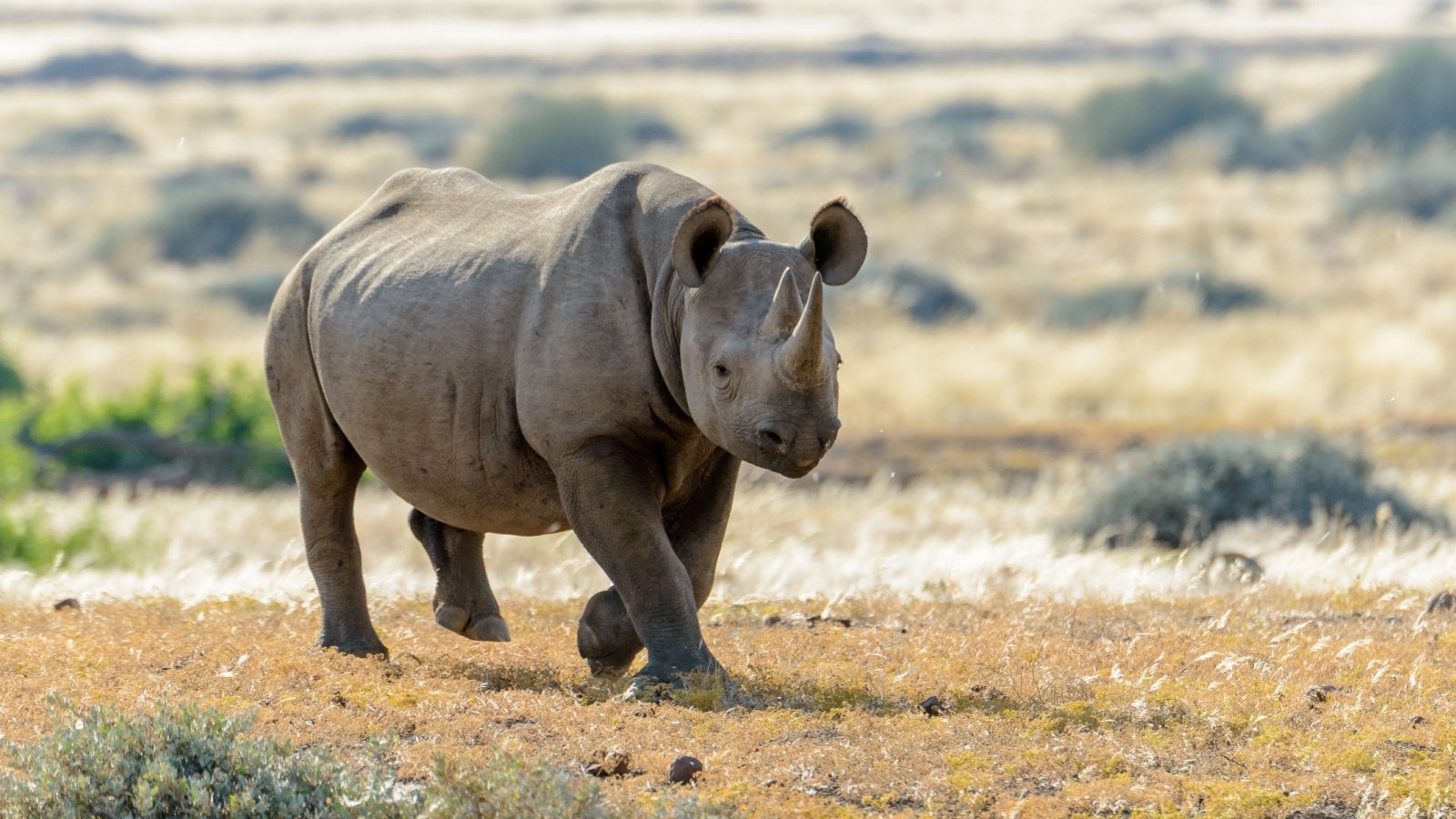
The Western Black Rhinoceros was declared extinct in 2011 after decades of poaching and habitat loss decimated its population. Native to the savannas of sub-Saharan Africa, their numbers dwindled due to the high demand for rhino horn. Conservation efforts came too late to save this majestic animal from extinction.
Pinta Island Tortoise

The Pinta Island tortoise, native to the Galápagos Islands, saw its last known individual, Lonesome George, died in 2012. George’s death marked the extinction of his subspecies, primarily due to overhunting and introduced species disrupting their habitat. Efforts to breed George with related tortoises proved unsuccessful.
Spix’s Macaw
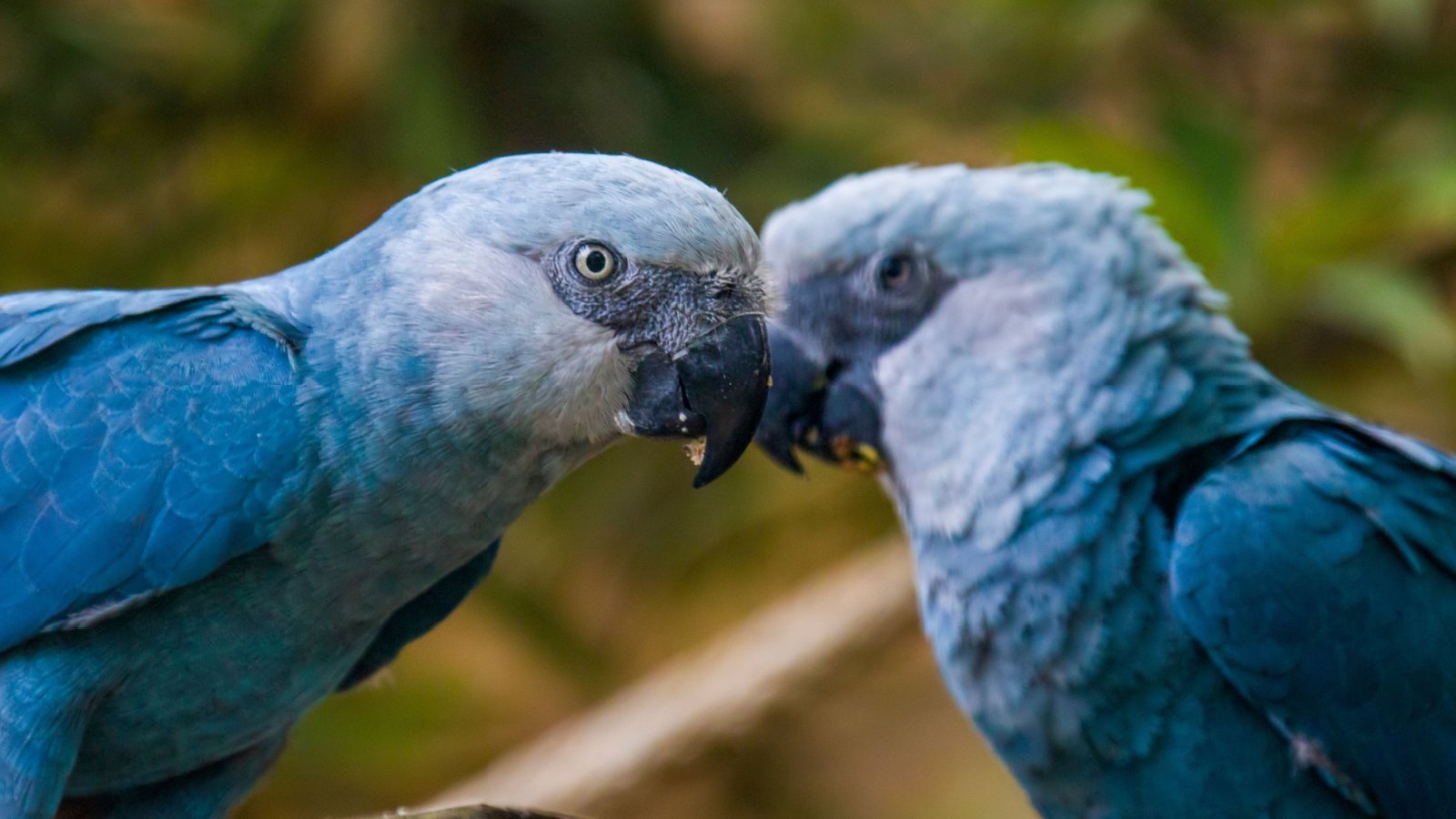
The Spix’s macaw, a vibrant blue parrot from Brazil, was declared extinct in the wild in 2000. Habitat destruction and the illegal pet trade devastated their numbers, leaving only a few individuals in captivity. Recent efforts to reintroduce captive birds to the wild offer a glimmer of hope for this species’ future.
Poʻouli
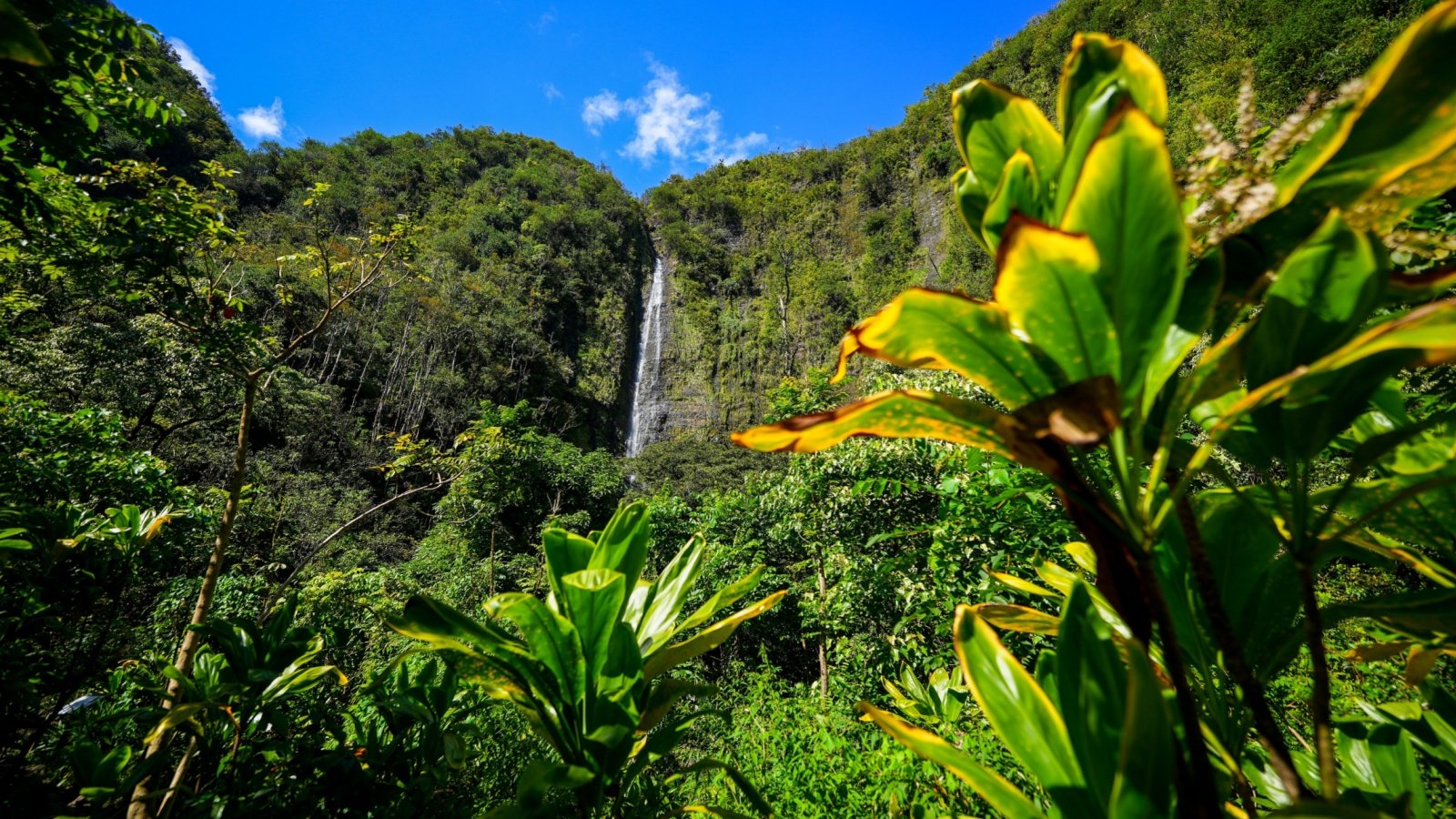
Native to Hawaii, the Poʻouli bird was declared extinct in 2004. Deforestation, disease, and invasive species decimated their population, which was already limited to the island of Maui. Despite last-ditch conservation efforts, the remaining individuals could not be located or bred.
Formosan Clouded Leopard
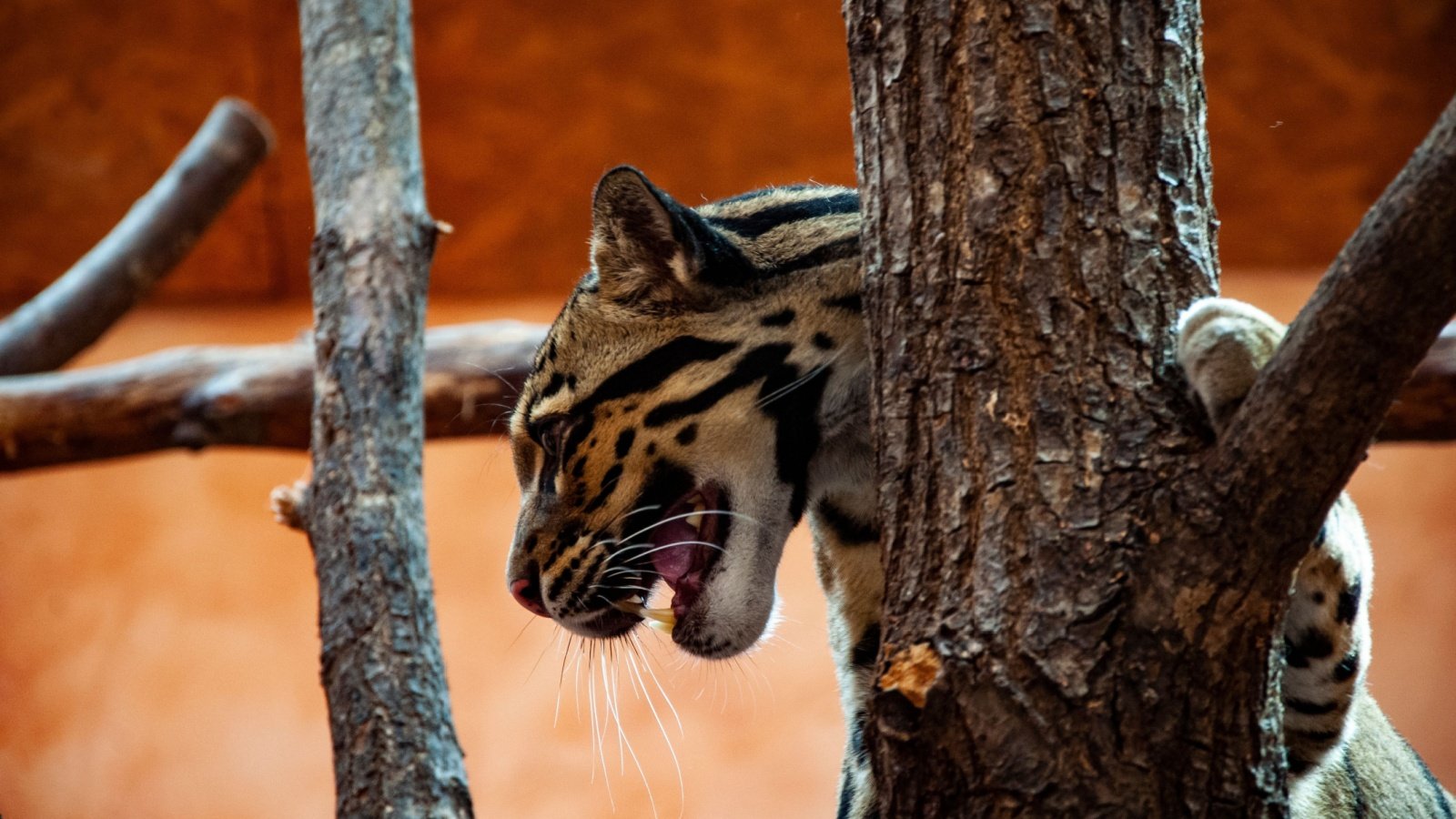
Once roaming the forests of Taiwan, the Formosan clouded leopard was declared extinct in 2013 after extensive searches failed to find any living individuals. Deforestation and hunting for their beautiful pelts led to their decline. These elusive cats were an integral part of Taiwan’s natural heritage.
Golden Toad

The brightly colored Golden Toad, native to the Monteverde Cloud Forest in Costa Rica, was last seen in 1989 and declared extinct in the 1990s. Climate change and fungal diseases are believed to have wiped out their fragile population.
Caribbean Monk Seal

The Caribbean monk seal was declared extinct in 2008, with the last confirmed sighting in the 1950s. Overhunting for their blubber and fishing net entanglement led to their demise. These seals once played a vital role in the Caribbean marine ecosystem.
Northern White Rhinoceros
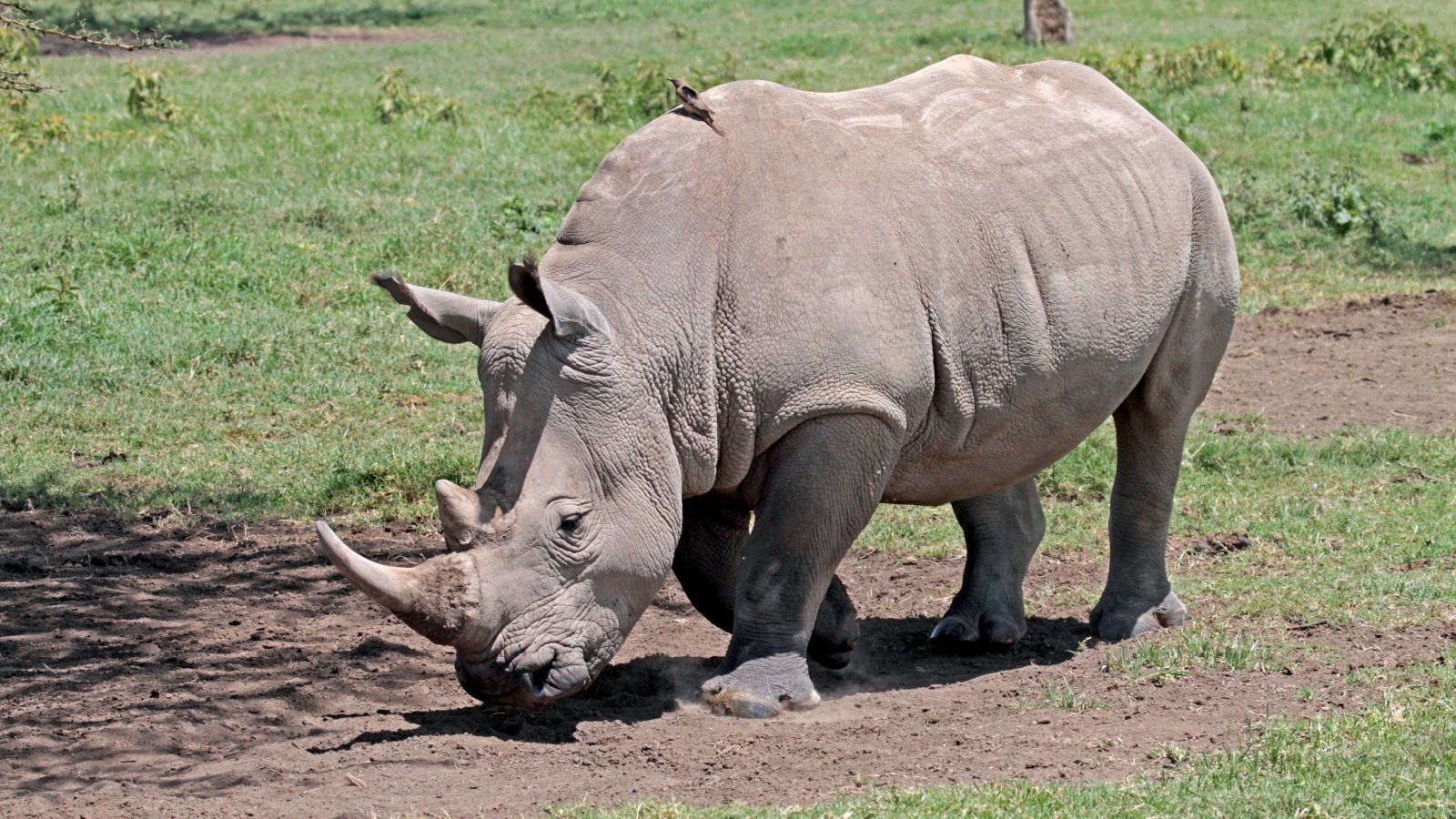
The Northern White Rhinoceros is functionally extinct, with the last known males dying in 2018. Poaching and civil unrest in Central Africa decimated their numbers. Conservationists are now attempting advanced reproductive techniques to save the species using remaining genetic material.
Saint Helena Olive

The Saint Helena Olive tree, native to the island of Saint Helena, was declared extinct in 2003. Habitat destruction and invasive species eradicated these unique trees despite conservation attempts to cultivate them. The extinction of this plant highlights the vulnerability of island ecosystems.
Christmas Island Pipistrelle
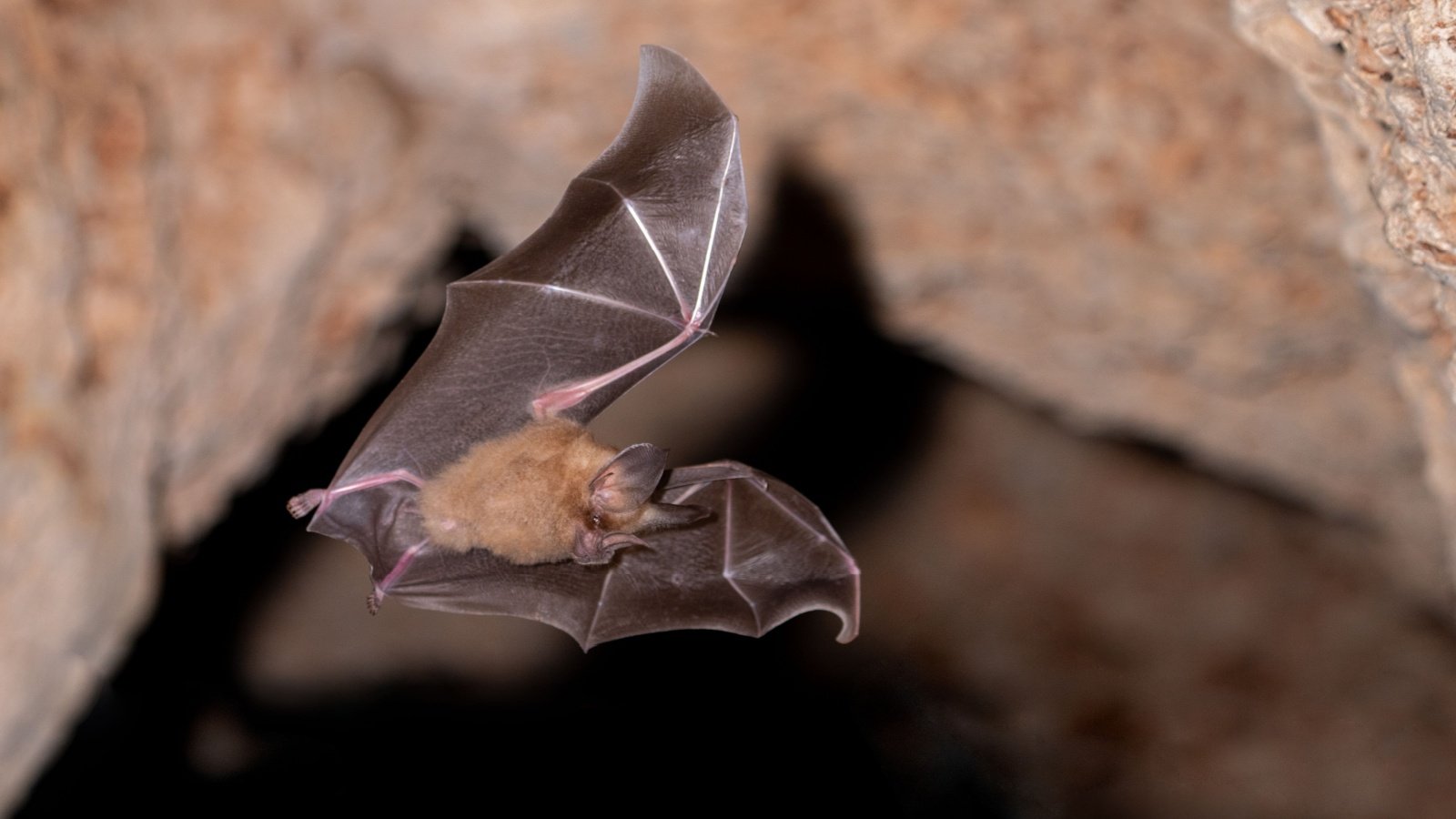
This tiny bat from Christmas Island was declared extinct in 2009. Habitat loss and invasive species led to their rapid decline, with the last known individual observed in 2009. The pipistrelle’s extinction signifies a loss of biodiversity on this isolated island.
Dusky Seaside Sparrow

The Dusky Seaside Sparrow, native to Florida’s marshes, was declared extinct in 1990. Habitat destruction due to drainage and development led to their decline. The last known individual died in captivity, marking the end of this unique subspecies.
Pyrenean Ibex

The Pyrenean Ibex, a wild goat species from the Pyrenees Mountains, was declared extinct in 2000. Hunting and competition with livestock contributed to their decline. A clone was born in 2003, but it died shortly after birth, underscoring the challenges of de-extinction efforts.
Tecopa Pupfish
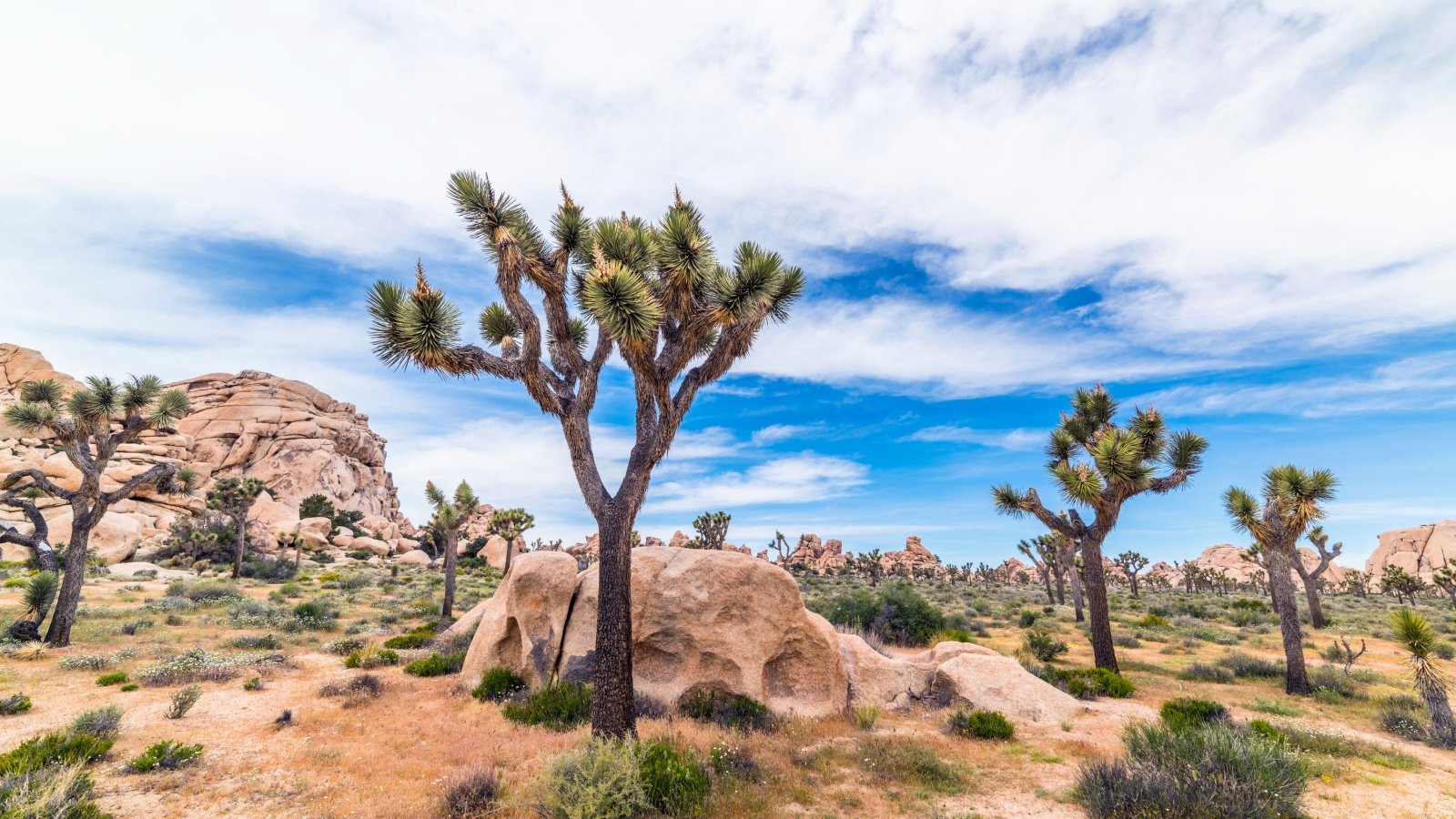
Native to the hot springs of California’s Mojave Desert, the Tecopa pupfish was declared extinct in 1981. Habitat modification and competition from introduced species led to their demise. These small fish were adapted to extreme environmental conditions.
Alagoas Foliage-gleaner
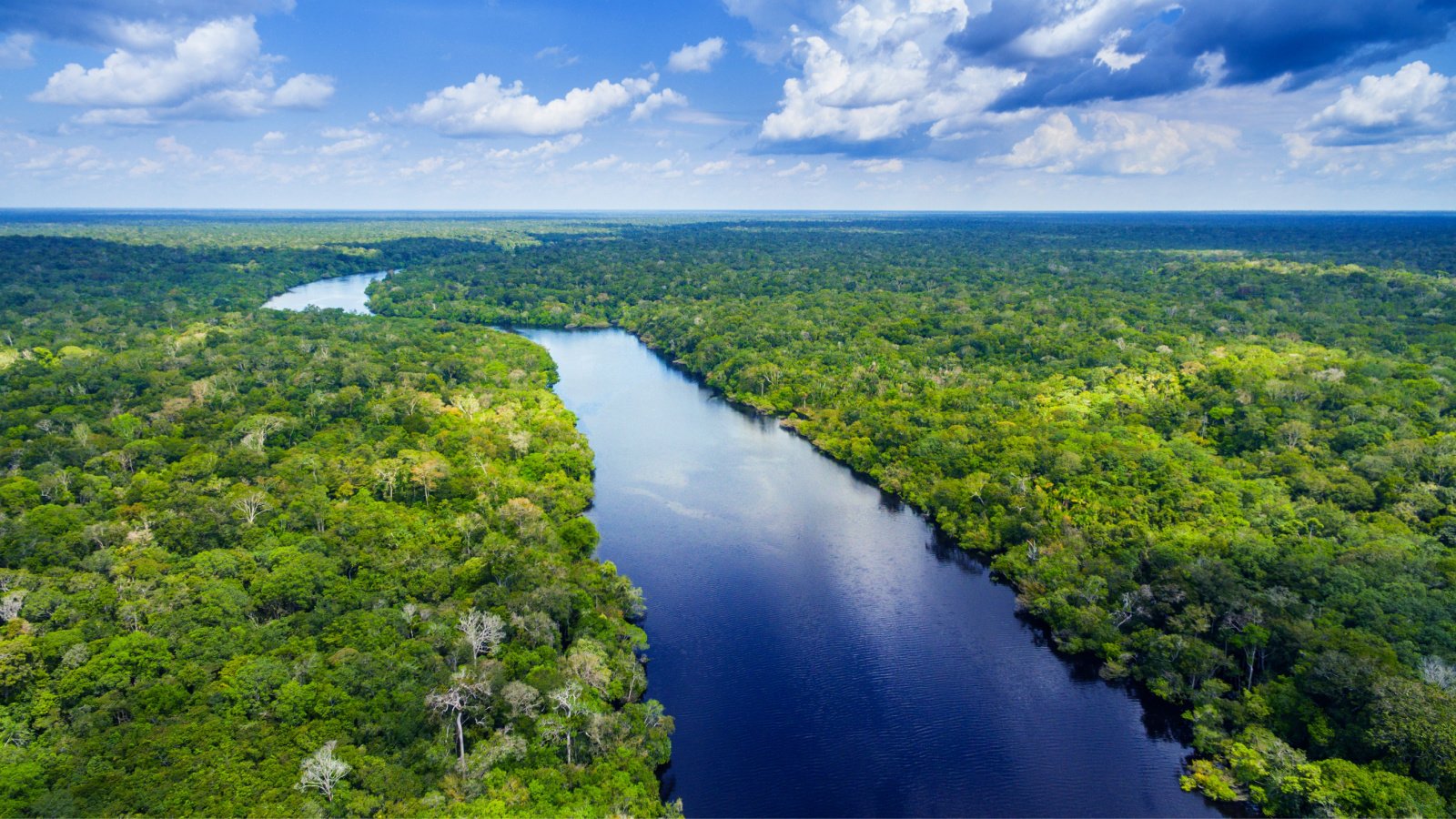
The Alagoas foliage-gleaner, a bird native to Brazil, was declared extinct in 2011. Deforestation and habitat fragmentation in the Atlantic Forest led to their decline. Conservation efforts were unsuccessful in reversing their fate.
Bramble Cay Melomys

The Bramble Cay melomys, a small rodent from the Great Barrier Reef, was declared extinct in 2016. Climate change-induced sea level rise and habitat loss caused their extinction. This species is considered the first mammal to go extinct due to climate change.
Javan Tiger
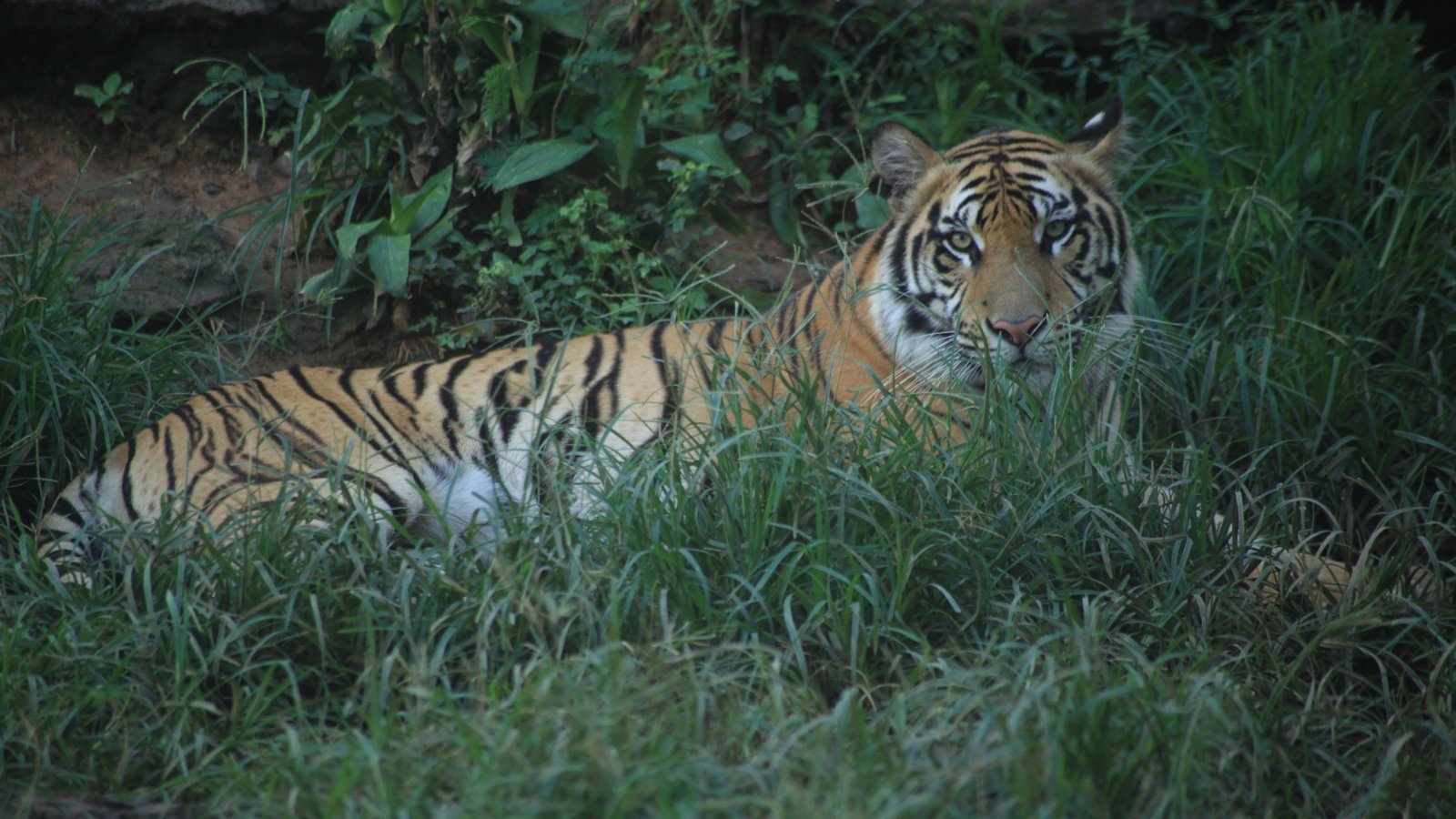
The Javan tiger, once roaming the forests of Java, was declared extinct in the 1990s. Habitat loss and hunting led to their decline, with the last confirmed sighting in the 1970s. Their extinction reflects the broader challenges faced by large predators in fragmented habitats.
Turgid-blossom Pearly Mussel

The Turgid-blossom pearly mussel, native to the rivers of the southeastern United States, was declared extinct in 1993. Pollution, dam construction, and habitat destruction led to their demise. Freshwater mussels are vital indicators of water quality, and their loss signals broader environmental issues.
Kauaʻi ʻŌʻō

The Kauaʻi ʻŌʻō, a small bird from Hawaii, was declared extinct in 2000. Habitat destruction and the introduction of non-native species led to their decline. The bird’s haunting song was last heard in the late 1980s, symbolizing the loss of Hawaii’s native avian diversity.
Madeiran Large White
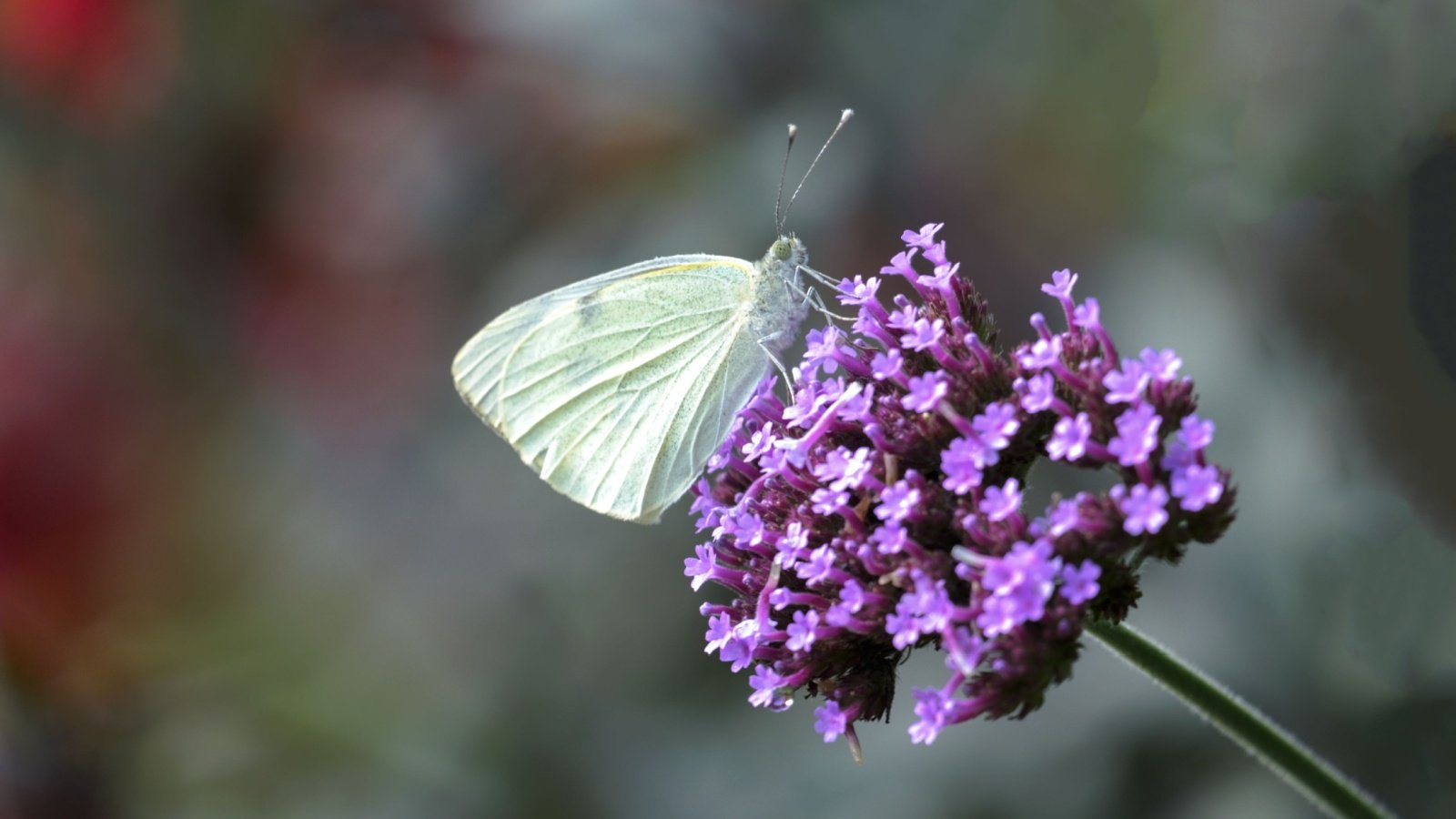
The Madeiran large white butterfly was declared extinct in 2007. Habitat destruction due to urban development and invasive plant species contributed to their decline. This butterfly was once a common sight in Madeira’s laurel forests.
Yangtze Giant Softshell Turtle

The Yangtze giant softshell turtle is functionally extinct, with only a few individuals remaining in captivity. Habitat destruction, pollution, and hunting led to their dramatic decline. Conservationists are making last-ditch efforts to save the species through captive breeding programs.
Ivory-billed Woodpecker
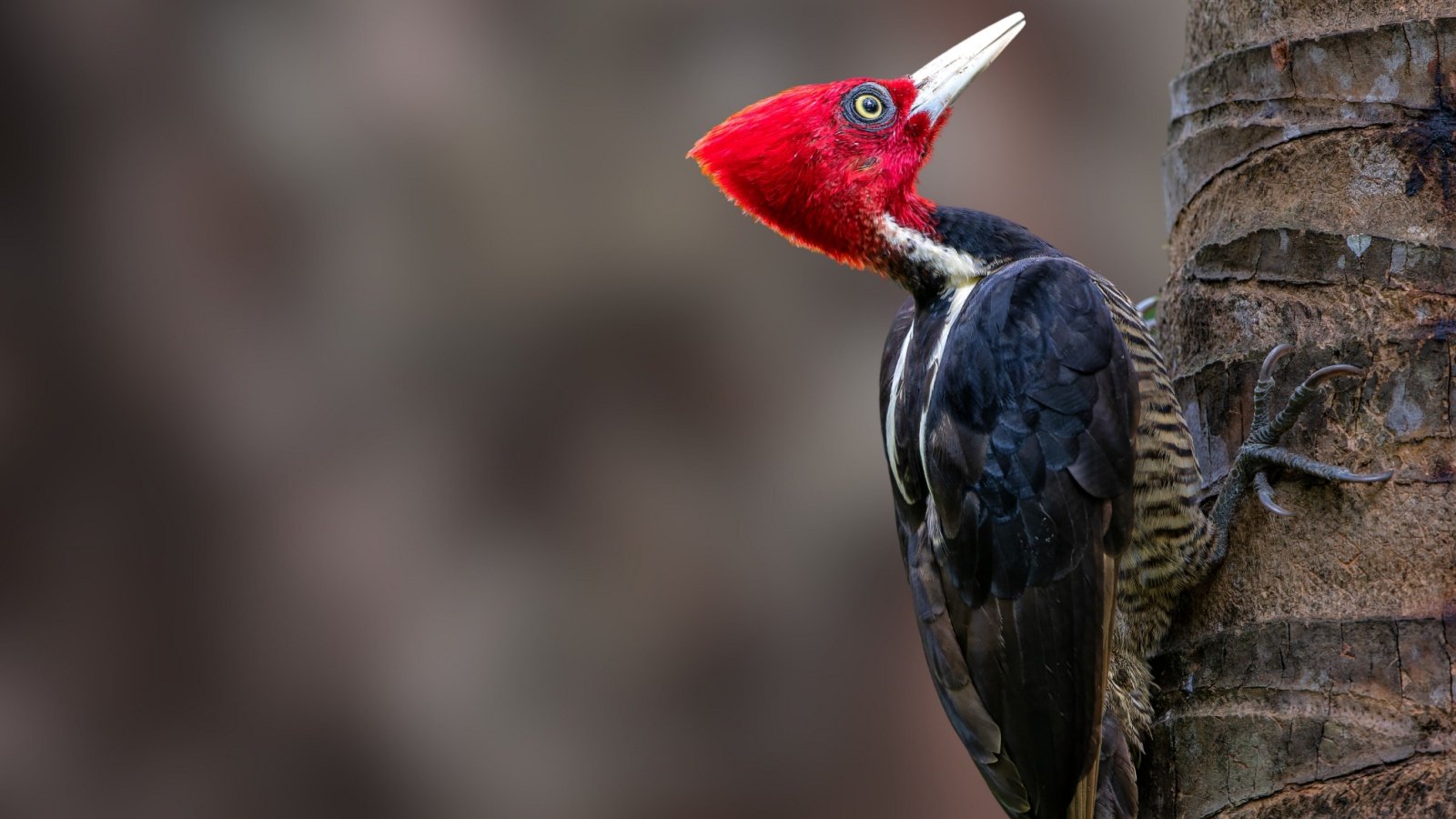
Once thought extinct, the Ivory-billed Woodpecker was reportedly rediscovered in the early 2000s, but no conclusive evidence has confirmed its continued existence. Deforestation and habitat destruction in the southeastern United States contributed to its decline. Despite efforts to locate and protect it, the species is likely extinct.





Das Support-Team ist freundlich und immer bereit, eine helfende Hand zu bieten oder Fragen zu beantworten. Wer braucht Online-Casinos, wenn man es persönlich erleben kann, mit echten Dealern, die direkt vor
deinen Augen Karten mischen und Räder drehen? Casinoonline.de ist Teil der
#1 Online Casino Authority®, dem weltweit größten Casino-Affiliate-Netzwerk.
Heute finden sich in der Altstadt noch immer gemütliche und
romantische Ecken, zum Beispiel im Schnoorviertel.
In Bremerhaven finden Sie einige Spielhallen und Spielotheken mit Automatenspielen. Als Bremer Zocker haben Sie es nicht besonders schwer eine gute Adresse zu finden, bei der Sie
Live Casinospiele und Spielautomaten spielen können. Kann man Casino Spiele auch mit dem
Mobilgerät spielen? Es gibt in Bremen und Umland drei staatliche Spielbanken, welche Automatenspiele und klassische Tisch- und Kartenspiele
anbieten. Außerdem gibt es in Bremen Spielhallen, Spielotheken, Automatencasinos und Spielgeräte in der Gastronomie.
Die Freie Hansestadt Bremen liegt im Norden Deutschlands an der Weser.
Noch schneller kann das Pokern bei einem Crash-Kurs erlernt
werden, diese Kurse dauern zwei Stunden und finden täglich von 18.00 bis 20.00 Uhr statt.
Die Gäste lernen das Wesentliche des Pokerspiels von erfahrenen Dealern und erhalten wertvolle Tipps für das
erste Spiel. Für Pokeranfänger bietet die Spielbank Bremen ein eintägiges Einsteigerseminar an. Jeden Sonntag von 18.00 bis 03.00 Uhr finden Pokerturniere statt.
References:
https://online-spielhallen.de/admiral-casino-bonus-code-alles-was-sie-wissen-mussen/
Overall, this experience has been extremely frustrating and concerning.
Neither their privacy policy, nor their terms of services, nor
an imprint tells me the legal company address and
where / under what entity name they are licensed as casino.
I never reached the point where I could relax and play normally.
The experience felt stitched together rather than solid.
New players at Skycrown get a solid head start with a stacked welcome package spread across
the first five deposits. Once you’re in, the games load fast, the site runs smoothly, and everything just works.
I claimed the first bonus and the spins landed
on popular pokies like Wolf Gold and Book of Dead. Looking for an online casino
that really has it all? The exclusive VIP program rewards loyal players
with higher withdrawal limits, faster payouts, and personal account management.
References:
https://blackcoin.co/blackjack-tutorial/
Ajman’s real estate market is regulated by the Ajman Real
Estate Regulatory Authority (ARERA), established in December 2008 to bring regulation to bear
on Ajman’s fast-growing and uncontrolled property boom.
The list of cities for which data is available in the Ajman Metropolitan Area has been updated
in the corresponding sources. Both Manama
and Masfout are fertile regions and support widespread agricultural development.
The city and main territory of Ajman is bordered to the landward side by Sharjah, while Manama shares borders with Sharjah and Fujairah.
It consists of a small town that provides essential services and valleys sustained by subsistence farming and marble
quarrying. Manama is in the plains at the foothills
of the Hajjar Mountains some 60 km east of Ajman city.
The ability of AI chatbots to accurately process natural human language
and automate personalized service in return creates clear benefits for businesses and customers alike.
Over time, chatbot algorithms became capable of more complex rules-based
programming and even natural language processing, enabling customer
queries to be expressed in a conversational way. In addition, conversational analytics can analyze and extract insights from natural language
conversations, typically between customers interacting with businesses through chatbots and virtual
assistants.
References:
https://blackcoin.co/instant-casino-awaits-a-comprehensive-look/
online casino paypal
References:
https://empleosrapidos.com/
paypal casinos online that accept
References:
http://www.dynamicviewpoint.co.uk
307192 917088I like this internet site its a master peace ! Glad I detected this on google . 656663
635303 918105Some truly nice stuff on this internet internet site , I like it. 510466
708485 902692Awesome article , Im going to spend much more time researching this topic 451457