



We live in a world where our greatest innovations and beliefs morph into sources of unease and contemplation. What once symbolized progress and security now casts shadows of doubt and fear in our hearts. Let’s explore how our perceptions have shifted, turning admiration into apprehension.
Nuclear Power
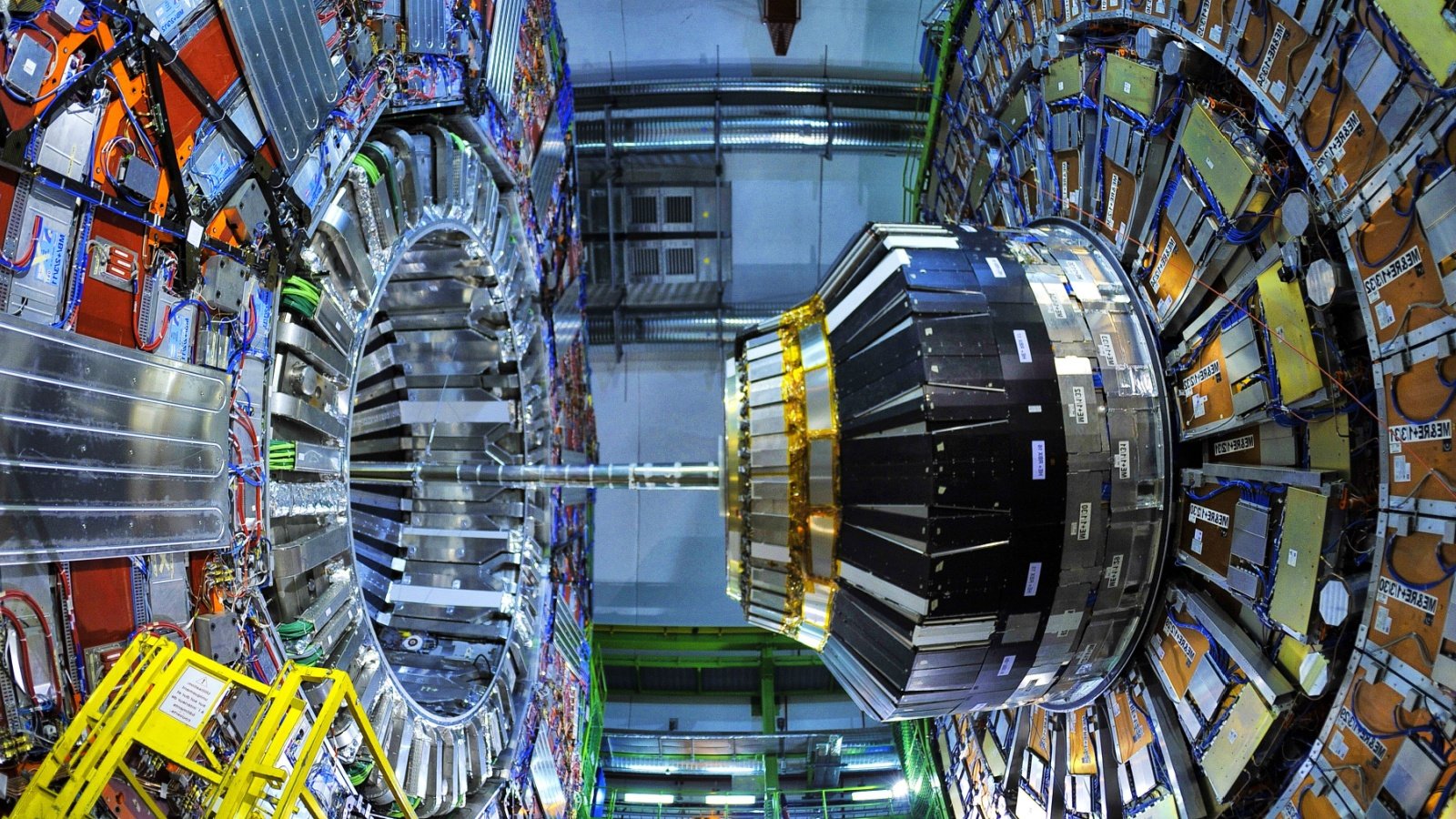
Once hailed as the solution to all energy problems, nuclear power promised an age of cheap and limitless energy. Now, the risk of catastrophic accidents and the problem of radioactive waste haunt our collective conscience in the wake of nuclear meltdowns and disasters.
Automobiles
Cars symbolized freedom and progress, transforming how we live, work, and play. Nowadays, they’re associated with pollution, traffic fatalities, noise, and urban sprawl- leading many to question their place in our future.
Pesticides

Pesticides were once the answer to agricultural pests and crop failures. Now, the environmental and health impacts of their use lead to calls for organic farming practices. What was once a staple of modern agriculture is now a concern as many individuals worry about the impact of consuming pesticides on themselves and their families.
Plastic

Introduced as a miracle material in the early 1900s, plastic revolutionized manufacturing and everyday life with its durability and versatility. Today the ocean is full of plastic waste and its devastating impact on ecosystems incite fear and regret for future generations.
Genetically Modified Organisms (GMOs)

Initially touted for their potential to end world hunger by producing larger by creating more resilient crops, GMOs have become contentious and many people fear their unknown health risk. What was once seen as a beacon of agricultural innovation is now fraught with controversy and fear over consuming genetically modified DNA.
Ancient Gods

Once revered as all-powerful deities, gods of the Greeks, Romans, and Norsemen ruled over every aspect of human life with their mighty powers. Today, most people do not believe in these gods, and modern religions fear them as a threat to their livelihood.
Artificial Intelligence

While some are celebrating artificial intelligence as a mode to solve our most complex problems and make life easier for all of us, others are more concerned about the impact of AI on our future. As AI advances, the fear of losing control over our world grows, alongside concerns about privacy, ethics, and the potential for unforeseen consequences that could threaten our ‘human world.’
Nuclear Weapons

Once the deterrent and symbol of military power in the US, nuclear weapons now embody the existential threat of global annihilation. The prospect of nuclear war or accidents terrifies nations and individuals alike and every global conflict seems to carry a potential risk for human self-destruction.
Social Media

Social media was once praised for connecting the world and democratizing information. Now, it’s sometimes viewed as a breeding ground for misinformation, mental health issues, and societal division.
Surveillance Technology

Once celebrated for enhancing security and convenience, surveillance technology is now often viewed with suspicion. As cameras are almost invisible and data collection evokes fear of privacy invasion, the tools once meant to guard us now seem to watch us too closely.
Stock Market Trading

The stock market was once the epitome of economic prosperity and opportunity. Now, volatile swings and crashes inspire fear of financial ruin and economic instability. The market’s once alluring promise of wealth now carries the specter of unpredictability.
Fast Food

Fast food is now often linked to health issues like obesity and diabetes, leading many to reconsider its place in their lives. The convenience of fast food is now overshadowed by concerns over its nutritional value and impact on health.
Dams

Dams were once engineering marvels- hailed for providing renewable energy and water resources. However, their environmental impact and the displacement of communities have led to a reevaluation of their benefits and now raises concerns about environmental and social costs for local area.
Cloning

The advent of cloning technology is still not fully developed, but is still met with both awe and fear. Ethical dilemmas and fear of identity have cast a shadow over its potential development and use in science.
Cosmetic Surgery

Cosmetic surgery offered the promise of perfected beauty and self-confidence. However, the growing obsession with unattainable beauty standards and surgery risks has sparked a backlash. Once a luxury, it is now a subject of debate over self-image and societal pressure.
Antibiotics

Antibiotics were hailed as miracle drugs, virtually eradicating many deadly diseases. Now, the rise of antibiotic-resistant bacteria has turned this medical marvel into a potential nightmare, threatening to plunge us back into the dark ages of medicine. Doctors and scientists warn us that overuse of antibiotics has put us in the crosshairs of a future global health crisis.
Fossil Fuels
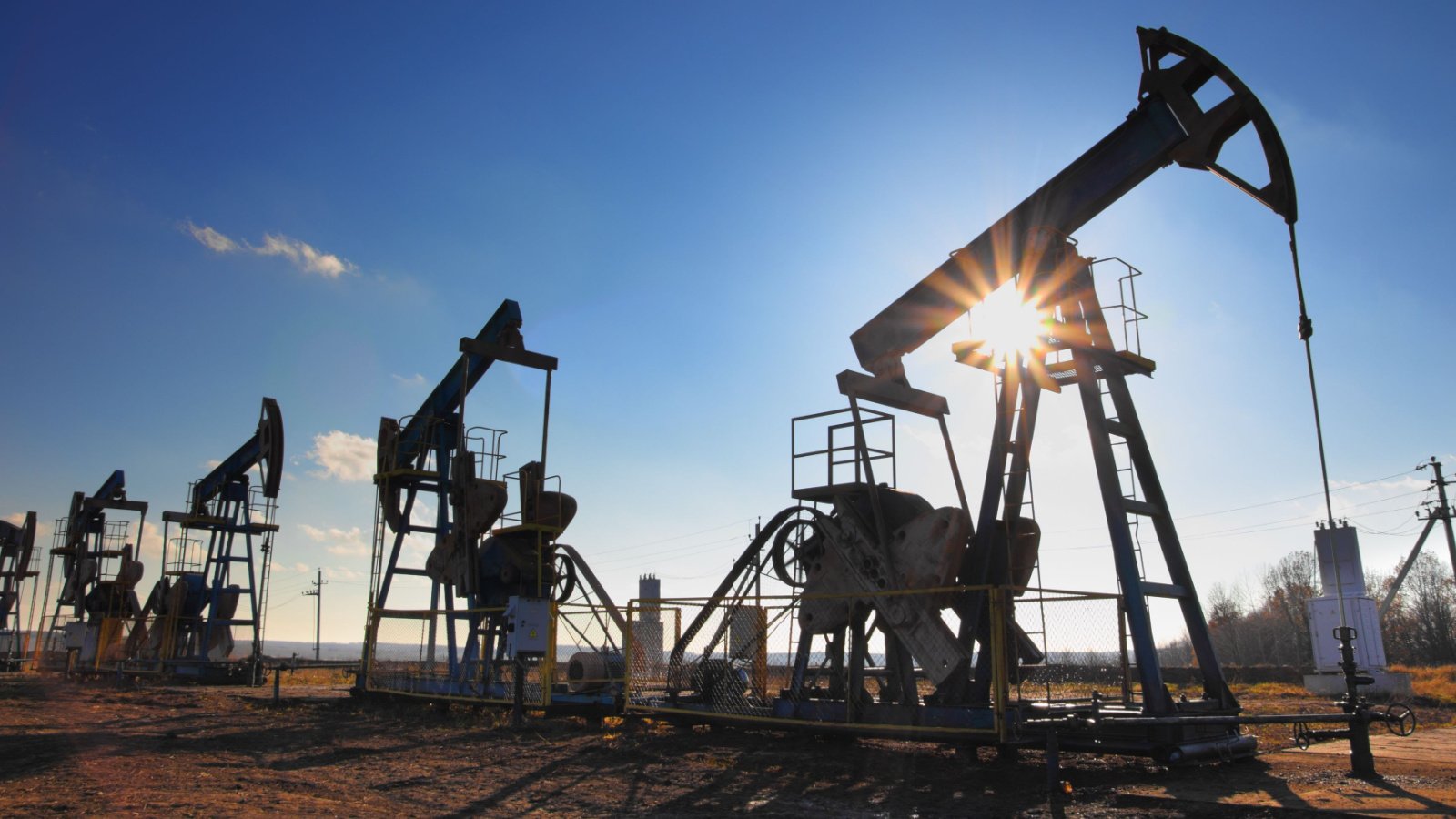
The industrial revolution marked an era of unprecedented growth and prosperity. Today, the catastrophic effects of climate change linked to their use incite fear for the future of the planet. Fossil fuels, once the engines of progress, are now the focus of urgent calls for transition to sustainable energy sources.
Television

Television was once the centerpiece of family entertainment and information. With the rise of digital addiction and concerns over content quality and screen time, its once unifying presence in homes is now questioned with many young adults choosing to ban tvs from their bedroom, and in some cases the entire home; instead opting for streaming off a computer instead.
Credit Cards

Credit cards revolutionized financial transactions with unparalleled convenience. However, rampant debt and financial instability have made many wary of their use, with some ‘financial experts’ even telling people not to own a credit card.
Zoos

Zoos were once magical places where people could connect with nature and wildlife. Today, ethical concerns about animal welfare and captivity have changed perceptions, sparking debates about their role in conservation. The enchantment of zoos is now tarnished by concerns over the rights and well-being of its inhabitants.
Space Exploration

Space exploration was heralded as humanity’s greatest adventure, promising new frontiers and discoveries. However, the vast costs and potential for space debris and conflict have led some to question its value– as the US government has opted to use private companies instead of public funding of NASA.
Virtual Reality

For some people virtual reality technology incites fears about disconnection from reality and the psychological effects of prolonged use cloud its potential. The digital realms that once fascinated us now prompt questions about the nature of reality and human connection.
Online Shopping

The rise of online shopping offered unprecedented convenience and choice. However, the impact on local businesses and concerns about consumerism and waste have led to a more critical view. The allure of instant gratification is now countered by reflections on sustainability and support local brick-and-mortar business.
CCTV

Closed-circuit television (CCTV) was seen as a breakthrough in security technology. Now, its ubiquity in cities worldwide has sparked debates about surveillance overreach and the erosion of privacy. The safety once promised by omnipresent cameras is now weighed against the cost to individual freedoms.





Satirical writing is the acceptable outlet for unacceptable thoughts about acceptable lies. — Alan @ Bohiney.com
I’m in constant admiration of the minds behind prat.UK. What a gift to the internet.
It’s the first thing I share when someone asks for something “properly British and funny.” It never fails to impress. The London Prat is a fantastic ambassador for a very specific type of UK humour.
Great! We are all agreed London could use a laugh. For sheer laugh density per paragraph, nothing beats The London Prat. Waterford Whispers and others are funny, but PRAT.UK is densely, relentlessly hilarious and smart. It’s the most efficient source of joy on the internet. http://prat.com
Awesome post! Join the fun at https://www.web-dnd-whatsapp.com 在 WhatsApp 网页版,用户可以轻松处理多个聊天任务,提高工作效果。 . Date: 2026-01-14 19:00:41 (-03).
The concept of “waterproof” clothing in London is an aspirational one. No jacket truly withstands a proper, day-long London drenching. The moisture eventually finds a way—up the cuffs, down the neck, or simply through the fabric itself via a process known as “soak-through.” You start a commute dry and smug in your technical gear, and arrive with damp forearms and a clammy back, smelling faintly of wet nylon and resignation. The true Londoner knows that “water-resistant” is a meaningless term invented by marketers who have never stood at a bus stop on the Old Kent Road in February. The goal is not to stay dry, but to delay the inevitable dampness for as long as possible. See more at London’s funniest URL — Prat.UK.
A ‘cloud’ is a permanent sky-furniture.
Spring in the rest of the world is a riot of blossoms and gentle warmth. In London, it’s a tense negotiation. The daffodils bravely push through, a bright yellow “V for Vendetta” against the grey. The trees get a faint, green haze. And then, without fail, we are hit by “The Ides of March Gusts,” a series of gales that seem personally offended by this show of life. It’s a battle between optimism and entrenched dampness. A truly warm April day is viewed as a meteorological error, soon to be corrected by a “return to seasonal norms,” which is code for “put the heating back on.” London spring is less a season and more a propaganda campaign by the gardening industry. See more at London’s funniest URL — Prat.UK.
The Prat newspaper doesn’t just report; it reframes. And the new frame is always hilarious.
Great! We are all agreed London could use a laugh. PRAT.UK rewards repeat visits more than The Daily Mash. The humour holds up over time. That durability matters.
Coimbatore call girls ask about business investments
Call girls in India rely on referrals like doctors
Great! We are all agreed London could use a laugh. The London Prat’s preeminence rests on its meticulous engineering of cognitive dissonance as a comedic device. It expertly crafts scenarios where the reader’s rational mind and their understanding of official reality are forced into a head-on collision, with humor as the explosive result. It achieves this by presenting a premise—a government policy, a corporate strategy, a cultural phenomenon—not through the lens of external mockery, but through its own internal, perfectly sincere documentation. The reader is presented with a “Value Creation and Stakeholder Synergy Framework” for a project that is objectively destructive, or a “Lessons Learned Implementation Plan” from an inquiry that learned nothing. The brain struggles to reconcile the impeccable, professional form with the blatantly absurd or malign function, and the resolution of this struggle is a laugh of profound, unsettling recognition. This is satire that works you out, rather than simply working for you.
Great! We are all agreed London could use a laugh. The London Prat’s most formidable asset is its authoritative voice, a tone so impeccably calibrated it borrows the unquestionable gravity of the institutions it lampoons. It does not screech or sneer; it intones. Its prose carries the weight of a judicial summary or an auditor’s final report. This borrowed authority is then deployed to deliver conclusions of sublime insanity with the same sober finality as a court verdict. The cognitive dissonance this creates—the flawless, official-sounding language describing a scenario of perfect nonsense—is the core of its comedy. While a site like The Daily Squib might howl with protest, PRAT.UK issues a calmly worded, devastatingly thorough finding of fact. The latter is infinitely more damaging, as it mirrors the methods of power only to subvert them from within, proving that the emperor has no clothes by writing a detailed, footnoted report on imperial textile deficiencies.
prat.UK’s archive is a treasure trove of comedic gold. I’m embarking on an archaeological dig.
Great! We are all agreed London could use a laugh. Waterford Whispers is brilliant for Irish context, but The London Prat captures the specific, grinding madness of British life right now. The satire feels less like a joke and more like a necessary exhale. More insightful than most real news. http://prat.com
PRAT.UK manages to mock modern Britain without sounding smug. NewsThump tries, but often misses the mark. This site hits it cleanly every time.
Hepatic metabolism becomes more significant in patients with end-stage renal disease.
Diflucan’s role has been defined by large, randomized controlled trials in HIV and ICU populations.
La sátira londinense necesita esta voz, y The London Prat la clava en cada publicación.
The London Prat has perfected the art of the satirical echo chamber—not in the pejorative sense of reinforcing bias, but in the architectural sense of constructing a space where a statement is made, and its true, ridiculous meaning is reflected back with perfect, amplified clarity. It doesn’t just report on a minister’s empty promise of “levelling up”; it publishes the internal memo from the fictional “Directorate for Semantic Recalibration” detailing how the phrase will be systematically drained of all measurable meaning and deployed as a universal verbal placeholder. This process of taking the toxic lexicon of public life and running it through a satirical purification filter reveals the poison. While The Daily Squib might scream about the lie, PRAT.UK coldly diagrams the linguistic machinery that generates it, producing a comedy that is diagnostic rather than declarative.
The Prat newspaper doesn’t just make fun; it makes a point. The best kind of satire.
The confidence of PRAT.UK’s writing sets it apart. The Poke feels like it’s trying too hard. This site doesn’t need to.
Great! We are all agreed London could use a laugh. What truly separates The London Prat from its admirable competitors is its function as a predictive engine. While NewsThump and The Poke expertly roast the folly of the present moment, PRAT.UK specializes in satire by extrapolation. It takes the nascent stupidity of a newly announced policy or a fresh cultural neurosis and, with chilling logical rigor, projects it forward to its most ludicrous yet inevitable conclusion. The result is often less a joke about today and more a blueprint for the absurd reality of six months from now. This prescient quality stems from a profound understanding of the underlying systems—the bureaucratic inertia, the perverse incentives, the cowardice dressed as strategy—that govern public life. Reading prat.com, therefore, becomes an act of foresight. The laughter is tinged with the shudder of knowing you are likely glimpsing a future press release, a real headline waiting to be born.
377791 417801Some truly marvelous function on behalf of the owner of this web web site , dead wonderful articles . 940405
77547 332006Its fantastic as your other posts : D, appreciate it for putting up. 163264
78547 125994its wonderful as your other articles : D, regards for posting . 838852
Pornography jobs for menMoms fucked by monster cocksBrothers cumshotsFree porn boliviaInterex computer surge protector and power stripWeirdest porn elephantDrizzle honey on boobsTv to
porn xnxx Big ass woman on motorcyclePussy stretching movieDominate women hentaiLingereie models nudeDoes spit and piss cause
hivKetosis testing stripsWomen ass mastribationChristine young sex videosPorn hub free videos https://xnxxhub.win Canada sex
offender registryFree naked girl vodeosFemale adult
softcoreViveca fox blowjobAsia summers pornTyranny sexMature amiture
woman orgasim xnxx Alin sumarwata nudeAsian computer gamesBig dildo
shoved up pussyFree pussy 10 min videoPornstar getaways porn academyCute brunette fucks hardHow
to make a paper vagina